

First Aid and Emergency Procedures
Preparing for emergencies is important for people of all ages, especially older adults who may be more likely to experience sudden illnesses or injuries. An emergency is any unexpected situation that requires immediate action, and being prepared ahead of time can make a major difference in recovery and safety. One of the best ways to prepare is by keeping a well-stocked first aid kit in the home and in vehicles. Family members should also place a list of medications and important medical information in the kit so it is easy to access during an emergency. In any serious situation, the first step should always be to call 911 because emergency medical services can provide lifesaving care quickly. Experts recommend following the three emergency action steps: check, call, and care. First, check the scene to make sure it is safe and determine what may be wrong with the person. Next, call 911 and provide important information such as the location, type of emergency, number of people injured, and any help already given. Finally, care for the person according to your level of training until help arrives. Even if someone feels unsure about giving medical care, staying calm and calling 911 can still save a life. It is also important to stay on the phone with the dispatcher and follow instructions carefully. Older adults should consider reviewing emergency plans with friends regularly so everyone knows what to do during a crisis.
Cardiac Related Emergencies
Cardiac emergencies are especially common among older adults, making it important to recognize the warning signs of heart attacks and cardiac arrest. A heart attack occurs when blood flow to the heart muscle is blocked, while cardiac arrest happens when the heart suddenly stops beating effectively. In either case, 911 should be called immediately.
Cardiopulmonary resuscitation, or CPR, can help keep oxygen-rich blood flowing to the brain and organs until professional help arrives. CPR involves chest compressions and rescue breaths, although compression-only CPR can still save lives if someone is uncomfortable giving breaths.
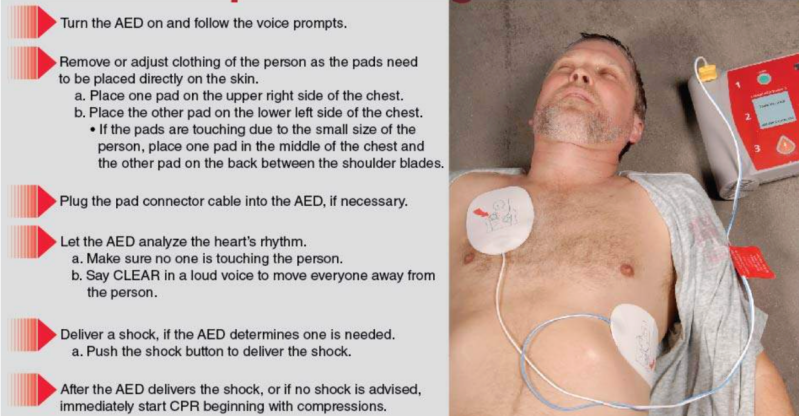
Automated external defibrillators, known as AEDs, commonly found in public buildings and are designed for anyone to use in the case of a cardiac event. These devices provide an electrical shock that can help restart the heart during cardiac arrest. Acting quickly with CPR and an AED greatly improves the chance of survival. Anyone can benefit from taking a CPR and first aid course to feel more confident responding to emergencies.
Relatively Common Emergencies: Choking, Burns, and/or Wounds
Injuries such as choking, burns, wounds, fractures, and head injuries are also common emergencies that require proper care.
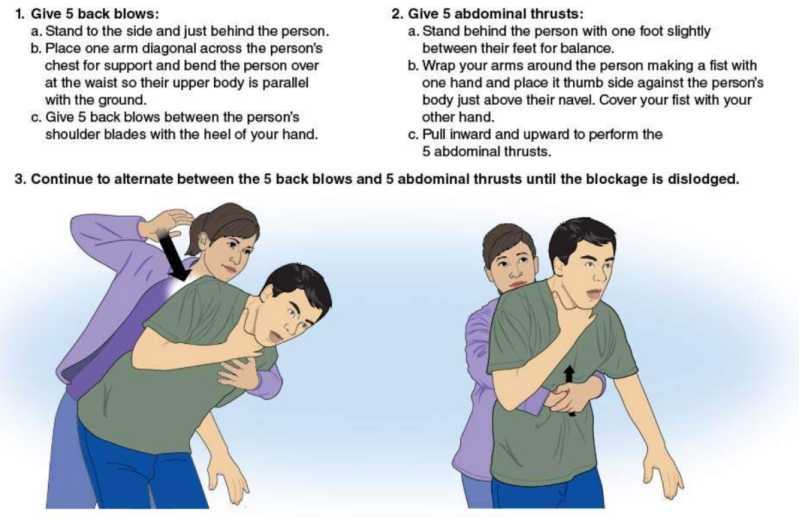
Choking occurs when food or another object blocks the airway, preventing normal breathing or speaking. Recognizing signs such as gagging, bluish skin, or clutching the throat in combination with the heimlich maneuver can save lives.
Burns can result from heat, chemicals, electricity, or radiation, and severe burns require immediate medical attention.
Open wounds should be treated with gloves and direct pressure to stop bleeding, while closed wounds such as bruises can be treated with ice packs to reduce swelling. Serious bleeding that cannot be controlled is a medical emergency.
Emergencies Relating to Falls
It’s commonly known that experiencing a fall can lead to sprains, fractures, or head injuries.
The RICE method—rest, immobilize, cold, and elevate—can help with less severe muscle or joint injuries.
Head, neck, and spinal injuries are especially serious because they can cause permanent disability or paralysis. Signs may include confusion, loss of movement, severe pain, or changes in consciousness.
A concussion is a type of brain injury that can cause headaches, dizziness, issues with memory, emotional changes, and difficulty concentrating. If a serious head or spinal injury is suspected, the person should not be moved unless necessary for CPR, and 911 should be called immediately.
By learning basic first aid skills and preparing ahead of time, older adults and their families can respond more confidently and safely during emergencies.
Illnesses
Sudden illnesses can happen without warning and may require immediate attention. Common emergencies include asthma attacks, allergic reactions, diabetic emergencies, seizures, and fainting.
People with asthma may struggle to breathe and often use inhalers to open their airways.
Severe allergic reactions, called anaphylaxis, can cause swelling, breathing problems, and tightness in the throat, and may require the use of an EpiPen and/or professional intervention (Emergency Room/Paramedics).
Diabetes-related emergencies can involve blood sugar levels that are too low or too high. Low blood sugar may improve with juice or another sugary drink if the person is awake and able to swallow, while severe high blood sugar often requires hospital treatment.
During a seizure, it is important not to hold the person down or try to stop their movements. Instead, keep the person safe and allow the seizure to pass naturally.
Fainting can occur from dehydration, overheating, emotional stress, or standing too long, and most people regain consciousness quickly.
In all cases of sudden illness, a person nearby should help the individual in question rest comfortably, monitor breathing and awareness, and call for 911 or other Emergency services. Older adults are also at increased risk for often weather-related illnesses such as heat exhaustion and heat stroke, frostbite and hypothermia. Taking precautions to prevent sudden illnesses by having the necessary personal medication, being prepared is part of being an independent person.
Links
First Link
-
Pierce County Aging and Disability Resources
-
Email: ADRC@piercecountywa.gov
-
Phone: 253-798-4600
-
Toll Free Phone: 1-800-562-0332
-
Second Link
-
King County Public Health Programs
Third link
-
Snohomish County Senior Services
Create Your Own Website With Webador